The best electric toothbrushes for beginners
Start with the Oral-B iO2 (about $60): it begins on a Super Sensitive setting and slows down if you press too hard. Prefer a sonic brush? The Sonicare 4100 (about $50) ramps its power up gently over your first 14 brushes.
Written by Nora Lindqvist. Last checked and updated .
Amazon links on this page are affiliate links: if you buy, we may get a small cut, and your price stays the same. How this site is funded.
Fast answer
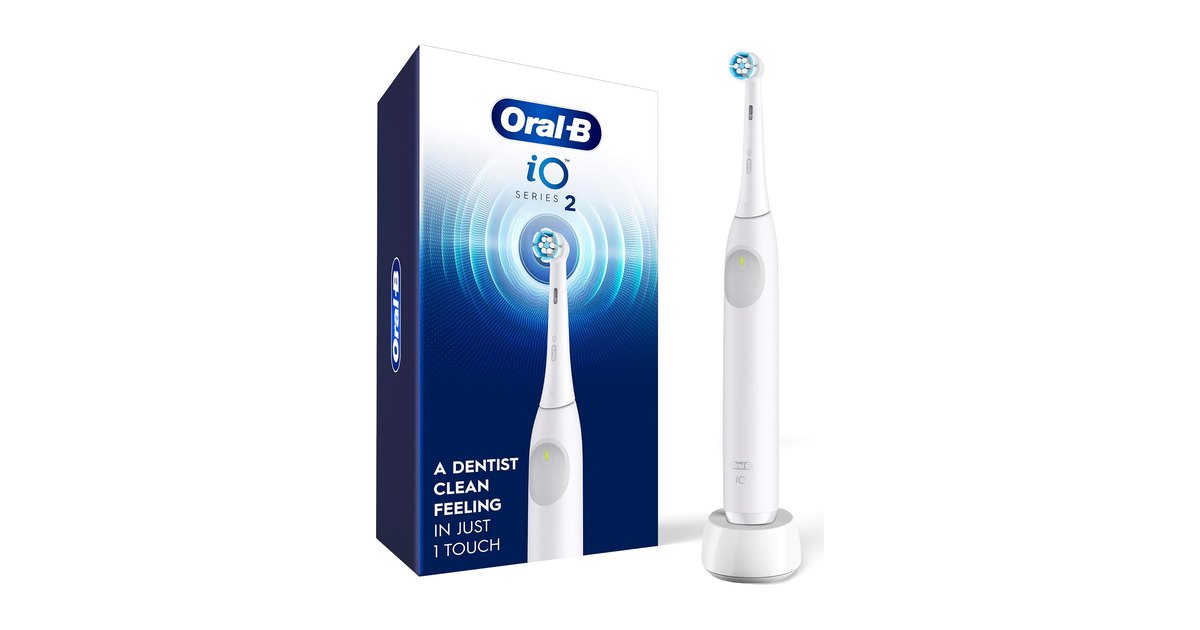 Best first brushOral-B iO Series 2Oral-B built the iO2 specifically for people moving from a manual brush, after testing with manual users.about $60 on Oct 30, 2026Today’s price
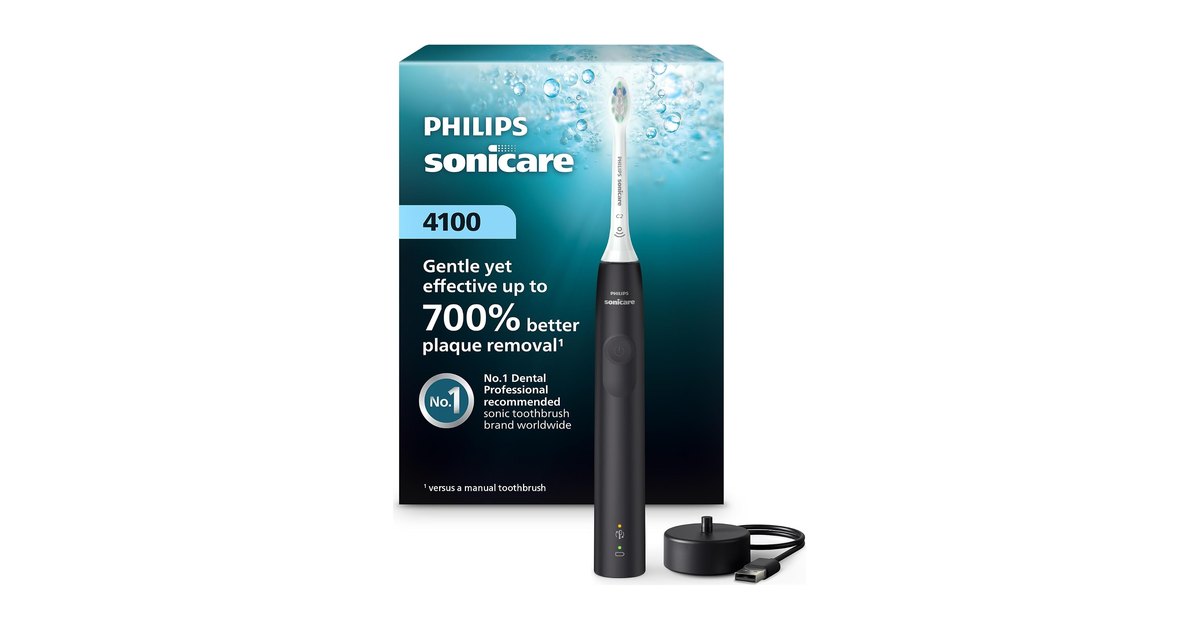 Best gentle first brushPhilips Sonicare 4100If you’re nervous about a spinning head, start sonic.about $50 on Oct 30, 2026Today’s price
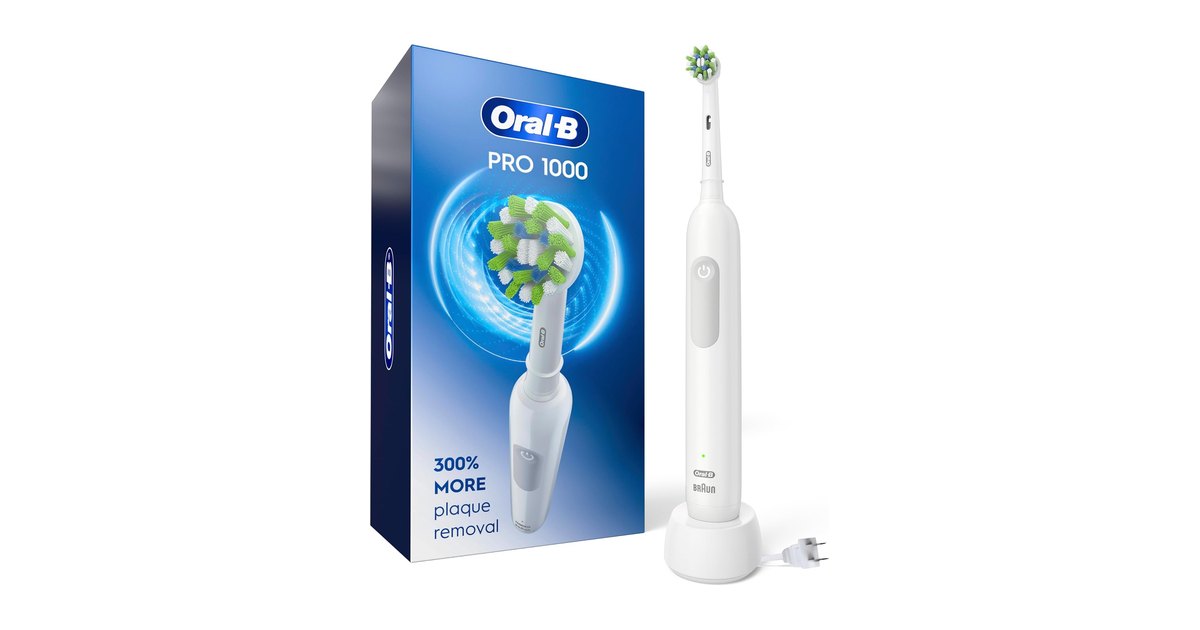 Cheapest way to try itOral-B Pro 1000If you’re not sure an electric brush is for you, the Pro 1000 is the low-risk experiment.about $50 on Oct 30, 2026Today’s price
Jump to a section
Switching from a manual brush is easier than people expect, with one catch: the technique is different. You don’t scrub. You hold the head against each tooth and let the motor work, moving slowly around your mouth. Almost every complaint about a first electric brush (“it hurt my gums”, “my teeth didn’t feel clean”) comes from brushing it like a manual one.
The best first brush keeps things simple so you can learn that technique without fiddling with modes and apps.
| Brush | Picked for | Type | Price on Oct 30, 2026 | Buy |
|---|---|---|---|---|
| Oral-B iO Series 2 | Best first brush | Round head, iO entry motor | about $60 | Price |
| Philips Sonicare 4100 | Best gentle first brush | Sonic (31,000 movements a minute) | about $50 | Price |
| Oral-B Pro 1000 | Cheapest way to try it | Oscillating-rotating with pulsation | about $50 | Price |
| Oral-B iO Series 3 | If you know you'll stick with it | Oscillating-rotating with magnetic iO drive | about $110 | Price |
Best first brush
Oral-B iO Series 2
- Cleaning actionRound head, iO entry motor
- Pressure warningAutomatic: slows the brush and shows red when you press too hard
- BatteryOral-B says long-lasting; no day figure on the listing
- HeadsiO heads (Gentle Care, Ultimate Clean)
- Amazon price, Oct 30, 2026about $60
Oral-B built the iO2 specifically for people moving from a manual brush, after testing with manual users. It’s gentler than other Oral-B brushes, has a single button, and if you press too hard (which beginners almost always do) it simply slows down. The battery lasts a long time too, so you won’t be learning to live with a charger at the same time.
Best gentle first brush
Philips Sonicare 4100
- Cleaning actionSonic (31,000 movements a minute)
- Pressure warningYes: the handle pulses
- BatteryUp to 14 days
- HeadsC2 Optimal Plaque Control (click-on)
- Amazon price, Oct 30, 2026about $50
If you’re nervous about a spinning head, start sonic. The 4100’s motion is a fast vibration that feels like a tickle for the first few days, then becomes normal. It has a pressure sensor and a timer that buzzes every 30 seconds, and two intensity settings so you can start low.
Cheapest way to try it
Oral-B Pro 1000
- Cleaning actionOscillating-rotating with pulsation
- Pressure warningYes: pulsing stops when you press too hard (no light)
- BatteryAbout 1 to 2 weeks
- HeadsClassic Oral-B round heads (CrossAction, Sensitive, 3D White)
- Amazon price, Oct 30, 2026about $50
If you’re not sure an electric brush is for you, the Pro 1000 is the low-risk experiment. It cleans very well, it costs about $50, and if you get on with it you can keep using it for years.
If you know you'll stick with it
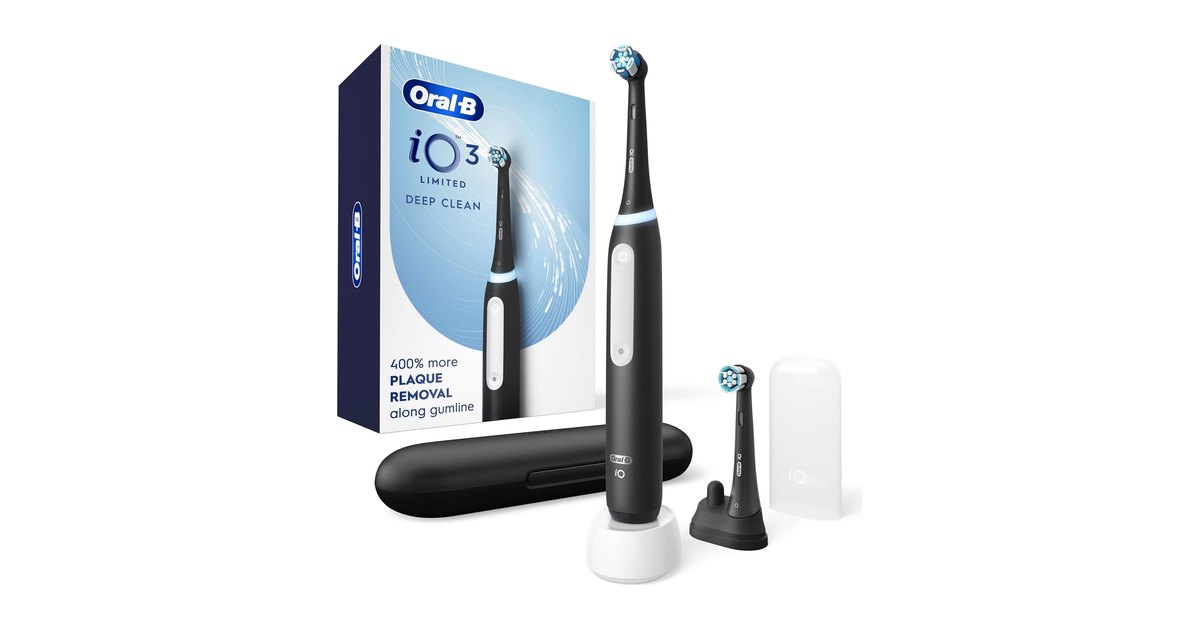
Oral-B iO Series 3
- Cleaning actionOscillating-rotating with magnetic iO drive
- Pressure warningSmart sensor: red when too hard, green when right
- BatteryAbout 2 weeks
- HeadsiO heads (Ultimate Clean, Gentle Care, Radiant White)
- Amazon price, Oct 30, 2026about $110
Already sure? Skip the trial and buy the brush you’ll want in a year. The iO3 is quieter and smoother than the Pro 1000 and its light ring teaches you the right pressure fast.
Your first week, honestly
Days 1 to 3: it feels strange. Sonic brushes tickle; Oral-B brushes feel busy. Your gums might bleed a little more than usual, especially if they were inflamed already.
Days 4 to 7: the strangeness fades. You’ll probably notice your teeth feel smoother after brushing, the way they do after a cleaning.
Week 2: going back to a manual brush starts to feel like you missed something.
If your gums are still bleeding after two weeks of gentle brushing, see a dentist. That’s usually gingivitis that needs attention, not the brush.
How to brush with it
- Put toothpaste on, then put the brush in your mouth before switching it on.
- Start with the outer surfaces of your upper teeth. Hold the head on each tooth for a moment, angled slightly toward the gum.
- When the brush pulses at 30 seconds, move to the next quarter of your mouth.
- Don’t press. The bristles should barely flex.
- Rinse the head after use and stand it upright to dry.
Should my first brush be Oral-B or Sonicare?
This is the decision people agonise over, and it matters less than it seems. If you have sensitive teeth or hate vibration, choose a Sonicare. If you want the most thorough clean per minute, choose an Oral-B. Neither is wrong, and both will clean far better than the manual brush you’re replacing. Our Oral-B vs Sonicare page has the details if you want them.
Five things new owners get wrong
Scrubbing. The brush moves for you. Guide it slowly; don’t push it back and forth.
Too much toothpaste. A pea-sized amount is enough. More foam makes you want to stop early and spit.
Switching on outside your mouth. You’ll redecorate the mirror. Put the brush on your teeth first.
Skipping the gumline. That’s where plaque causes trouble. Angle the bristles toward it, gently.
Keeping the head too long. Replace it every three months, or when the bristles splay.
What week two feels like
By the second week the tickle of a sonic brush or the buzz of an Oral-B stops feeling strange, and most people notice their teeth feel smoother for longer after brushing. Light bleeding in the first days is common and usually fades as your gums get healthier. If it hasn’t eased after two weeks, see a dentist.
When to move up a setting
If you started on the gentlest setting, move up after a week or two if your gums feel fine. There’s no prize for using the strongest mode, and plenty of people stay on a gentle one for good.
Should a beginner buy the cheapest brush?
Not the very cheapest. A brush in the $50 to $60 range with a pressure sensor teaches good habits from the start, while a $15 battery brush feels weak and convinces some people that electric isn’t worth it.
Will an electric brush push my gums back?
Not on its own. Recession comes from force and from sawing sideways, and a powered head removes the sawing. Buy a handle that tells you when you are pressing, then rest it on the tooth and let it work.
What we checkedEvery brush on this page over $50 warns you about pressure. The Pro 1000 stops pulsing; the iO3 turns its neck ring red; Sonicare handles buzz in your hand.
Our pick for thisOral-B iO Series 3Price
My gums bleed when I brush. Should I stop?
No. Bleeding usually means that edge of gum is inflamed and under-cleaned, and it settles once the plaque at the gum line goes. Give it two weeks of gentle, complete brushing. If it is still bleeding after that, book a dentist rather than buying another brush.
What we checkedSonicare’s Gum Health mode and Oral-B’s Sensitive mode both drop the power rather than change the motion, which is why they feel kinder on a sore gum line.
Our pick for thisPhilips Sonicare 4100Price
Asked and answered
No, but the technique is different. Hold the brush on each tooth and move slowly instead of scrubbing. Most people adjust within a week.
Why do my gums bleed after switching to an electric toothbrush?
Often because the brush is cleaning plaque from the gumline more effectively, and inflamed gums bleed when disturbed. It should settle within one to two weeks. Persistent bleeding needs a dental check.
Do I need an expensive electric toothbrush to start?
No. A $50 brush with a timer and pressure sensor is all you need.
Which is better for beginners, sonic or rotating?
Sonic feels gentler at first; rotating cleans tooth by tooth and is easier to aim. Both are fine for beginners.
How long should I brush with an electric toothbrush?
Two minutes, twice a day. Almost every electric brush has a timer that buzzes every 30 seconds (20 on some newer Sonicares) to move you around your mouth.
Should I wet the brush before adding toothpaste?
It’s personal preference. Wetting it makes the paste spread faster; a dry brush keeps it on the bristles longer.